
BLOG
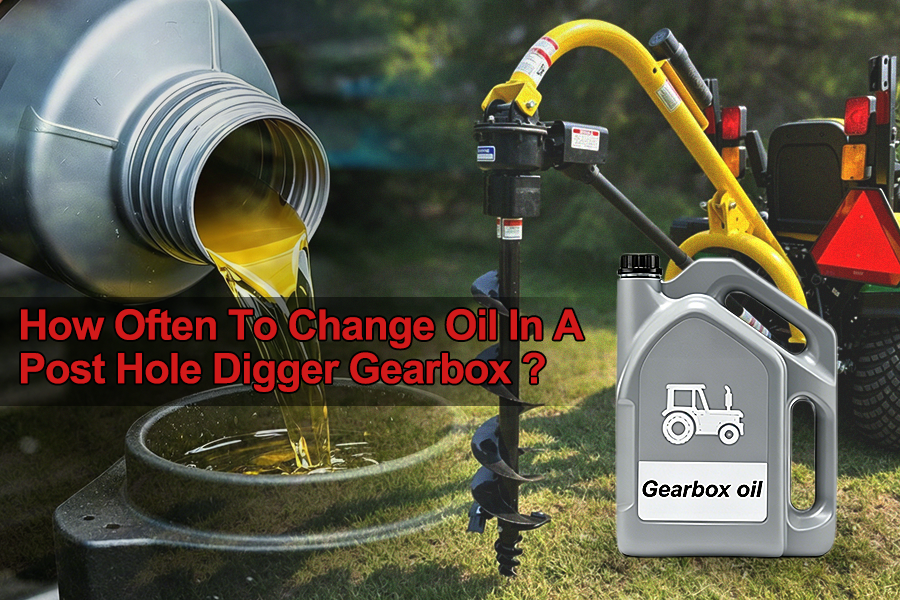
How Often to Change Oil in a Post Hole Digger Gearbox?
Imagine you are at the bottom of a three-foot hole, and the auger suddenly stops turning with a horrific metallic crunch. That is typically a $300 replacement mistake that a $10 bottle of gear oil could have easily prevented. A post hole digger is a beast of a tool, but its heart—the gearbox—relies on a specific, small amount of lubrication to keep from grinding itself to a complete halt.
Ignoring your auger drive head maintenance schedule allows tiny metal shavings to accumulate over time, acting like liquid sandpaper against the spinning parts. Proactively swapping out this vital fluid is the absolute cheapest insurance policy you can buy to guarantee your machine lasts for decades rather than just a few weekends.
The Secret Life of Gears: Why Liquid Sandpaper Destroys Gearboxes
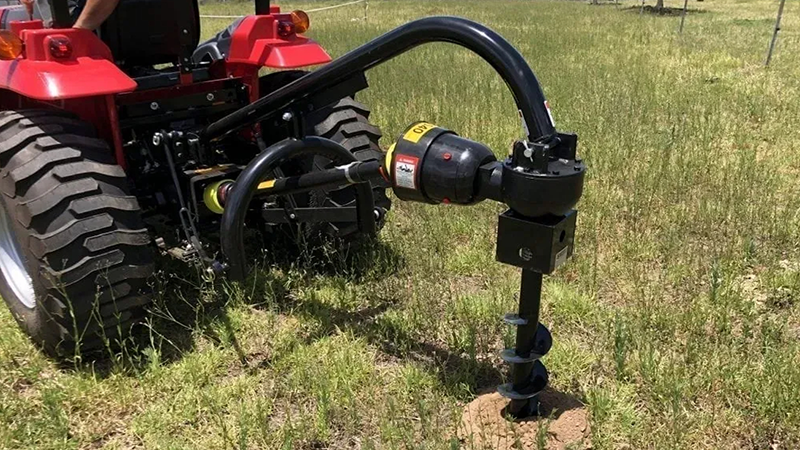
Firing up a brand-new post hole digger means its internal parts are just getting to know each other. This is a tough job for planetary gear system lubrication, where small gears tightly circle a central hub to multiply your digging power. As these fresh metal surfaces mesh under heavy loads, they shed microscopic burrs. Catching this early wear makes your initial break-in oil change interval the most critical maintenance task of the tool’s life.
Leaving factory oil in too long is risky, as metal shavings keep circulating and can’t be removed. Over time, they turn the oil into an abrasive mix that wears down internal parts and generates damaging heat.
You can actually track this physical timeline of oil degradation:
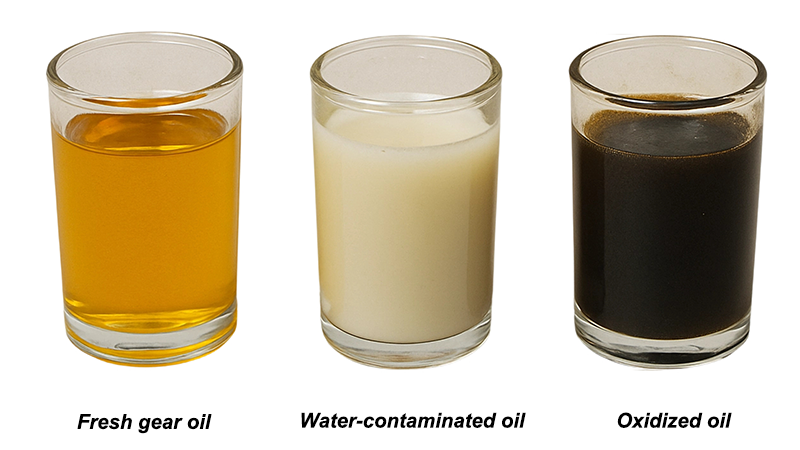
- Clear and thick: Fresh fluid clings smoothly to the gears, keeping friction low.
- Silver-flecked: Early wear introduces metallic glitter, making the fluid mildly abrasive.
- Black sludge: Scorched by heat and packed with debris, the oil totally fails.
Flushing out that abrasive sludge guarantees your digger won’t seize up halfway through a weekend fence project. Protecting your investment is easy once you understand how trapped heat and metal dust destroy tools.
Decoding the Label: EP90, 80W-90 & GL-5 Lubricants
Hardware store shelves can feel like a secret code, but these numbers simply refer to fluid thickness. When comparing EP90 and 80W-90 gear lubricants, you’re looking at viscosity ratings.The “W” stands for winter. 80W-90 flows easily on cold mornings while remaining thick enough to protect gears as temperatures rise.
Choose the right gear oil based on your digging conditions. Please refer to the table below:
| Type | Best Environment | Key Features | Recommended Use |
|---|---|---|---|
| EP90 | Consistently warm climates | Thick, stable performance with minimal flow variation | Standard use in steady warm conditions |
| 80W-90 | Spring and mild summer conditions | All-season versatility with better cold-start flow | General-purpose use in changing temperatures |
| Full Synthetic | High heat and heavy-duty work | Superior high-temperature resistance and durability | Ideal for intensive summer digging or heavy workloads |
Labels showing EP refer to Extreme Pressure additives that help protect gears under stress. With GL-4 vs GL-5, higher numbers offer stronger protection, but GL-5 can damage yellow metals like brass and bronze. If your machine has older brass components, GL-4 is the safer option.
Armed with the right fluid, you have already given your machine a massive head start on a long life. Knowing what goes into your gearbox is only half the battle; you also need to recognize what happens when it breaks down.
Reading the Signs: Cloudy Oil or Hot Gearbox Warning
Take a quick look at your gear oil. When it’s fresh, it’s clear and smooth—kind of like honey. Pretty easy to tell.
But if it turns cloudy or milky, something’s wrong. Most likely, water has mixed in. And that weakens lubrication, so parts start wearing faster.
Dark, black oil with a burnt smell? That’s another warning. It usually means the oil has been overheated and is starting to break down.
Also, here’s a simple check. While the machine is running, lightly touch the gearbox. It should feel warm, not hot.
If it feels too hot, or starts making loud grinding sounds, don’t wait—shut it down.
A quick check like this can really extend the life of your equipment.
Quick Check: Gear Oil Level in 60 Seconds
Check static oil level (quick routine):
- Disconnect the spark plug wire to prevent accidental starting.
- Place the machine upright on flat, level ground for an accurate reading.
- Clean dirt around the upper fill plug, then carefully remove it.
- Check inside: the oil should be level with the bottom threads of the fill hole, showing proper capacity.
Overfilling eliminates expansion space and may force oil out, damaging seals.
How to Drain and Refill Your Gearbox (Step-by-Step)
Gear oil is naturally thick, like cold honey, so it won’t drain easily on its own. Before maintenance, run the digger briefly to warm it up. This slight heat thins the oil and helps it drain fully while carrying out trapped dirt.
With a catch pan securely positioned underneath, use your wrench to remove the bottom drain bolt. As the dark fluid empties, examine the inside tip of that bolt—it is actually a specialized magnetic drain plug. Manufacturers design these to capture microscopic metal flakes that naturally wear off moving parts over time. Wipe that gray sludge off with a clean rag to stop those trapped shavings from circulating inside your tool.
Once the clean plug is tightened back into the bottom hole, slowly pour your fresh lubricant through the upper opening. Adding oil slowly helps prevent air pockets, ensuring full gear coverage and reliable high-torque protection as soon as the engine starts.
Following a standard change schedule—about once per season or every 50 hours—keeps the equipment dependable.
Finally, tighten the fill cap and wipe off any excess oil to finish cleanly. Your machine is now perfectly primed for standard backyard fencing projects and typical soils. However, tougher environments might require adjusting this basic routine.
Heavy Soil & High Heat: When to Break the Schedule
When the motor struggles against hard ground, the gears generate intense friction and stress. Because harder work naturally creates more heat, the standard frequency of oil change must adapt to your actual workload rather than a simple calendar date.
To maintain vital planetary gear system lubrication, you must double your maintenance routine—changing the fluid twice as often—if you encounter these three extreme conditions:
- Compacted clay or rocky soil causes constant jarring and heavy resistance, quickly reducing the oil’s protective performance.
- Blazing summer heat traps friction and makes it harder for the gearbox to cool.
- Continuous heavy drilling without breaks prevents proper heat dissipation.
For large fencing projects, don’t wait until the next season to inspect your equipment. Pause during long jobs to check the gearbox—if it feels overly hot or sounds louder than normal, change the fluid mid-work. Managing workload like this helps keep your digger running smoothly.
Post-Maintenance Checklist: Seals & Protection
You don’t need to guess when your auger needs maintenance. A simple schedule—about every 50 hours or once per season—helps prevent early wear. A maintained gearbox can last up to 20 years, while a neglected one may fail in a single summer.
Basic care routine:
- Log usage hours on masking tape on the handle.
- Check seals after filling by running briefly and looking for leaks.
- Store upright in a dry place to avoid moisture.
A $10 bottle of gear oil is a low-cost way to protect your tool. Check the oil level today for quick results.
JIAXING JENA GEARBOX CO., LTD.
01
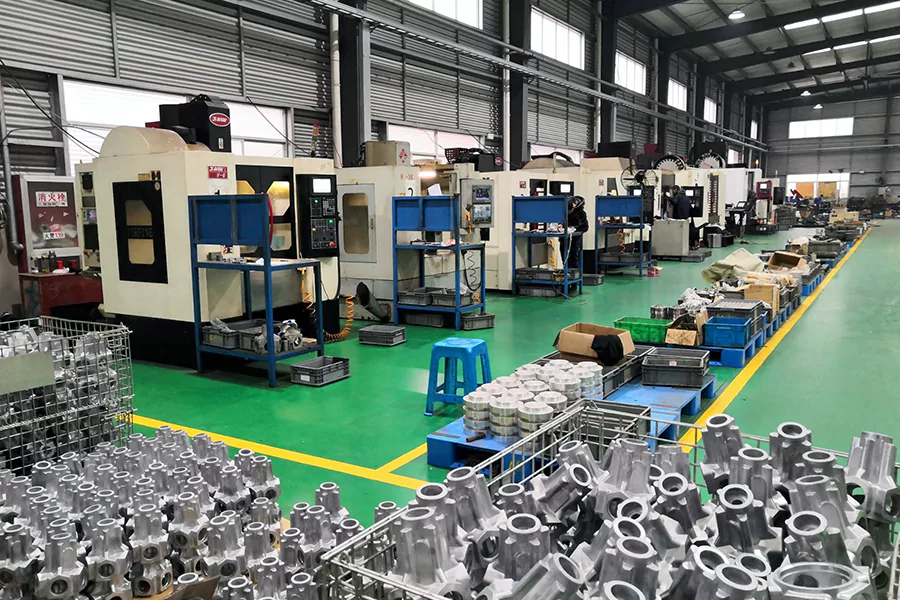
Jiaxing JENA Gearbox Co., Ltd. was established in 2000 and is located in Jiaxing, East China. With 100+ factory employees, JENA is dedicated to the R&D, manufacturing, sales, and service of agricultural gearboxes. Over the past decades, JENA has grown into a reliable supplier in the global agricultural gearbox industry, exporting to 60+ destinations worldwide.
02
Our product range covers bevel gearboxes, rotary cutter gearboxes, parallel reducers, worm gear cases, and custom transmission assemblies—covering nearly one thousand specifications. These products are widely used in grain harvesting equipment, forage machinery (mowers, balers, rakes, etc.), plant protection machinery, landscaping machinery, and oil extraction equipment. With an annual production quantity exceeding 300,000 units, JENA consistently delivers reliable performance and long-term durability for global OEMs and distributors.
Annual quantity over
Established in
Factory Employee
Export Destinations
REQUEST A QUOTE
OR GET MORE
INFORMATION
Leave us a message. We will contact within 12 hours.