
BLOG
BLOG
OEM vs Aftermarket Gearboxes: Key Differences
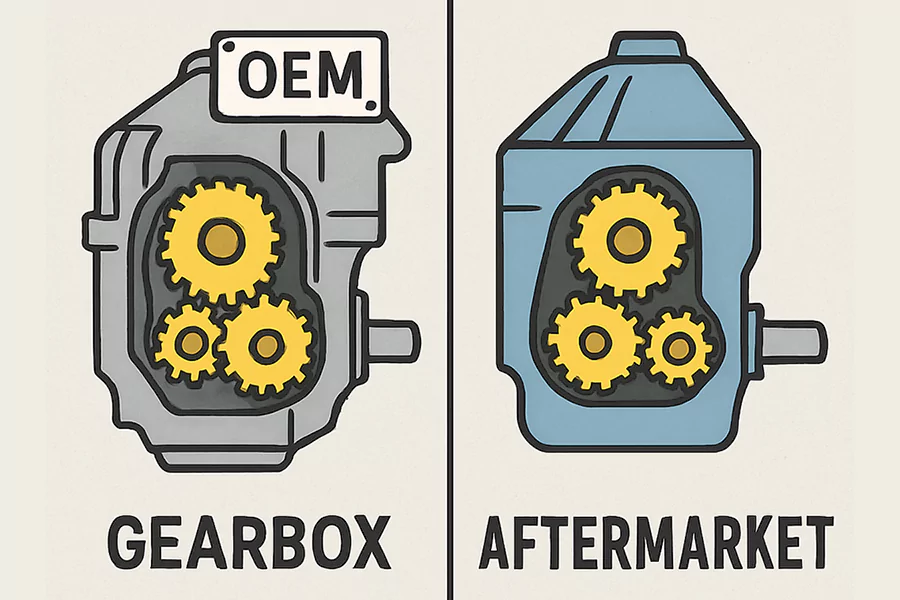
Choosing the right gearbox is crucial for vehicle performance. OEM and aftermarket gearboxes offer distinct advantages and challenges. OEM gearboxes are crafted by the original equipment manufacturer. They ensure compatibility and reliability with specific vehicle models. Aftermarket gearboxes, on the other hand, are produced by third-party manufacturers. They often provide more options and customizations.
This article will explore the key differences between OEM and aftermarket gearboxes. It aims to guide automotive enthusiasts, vehicle owners, and industry professionals in selecting the best option for their needs.
What Are OEM and Aftermarket Gearboxes?
OEM gearboxes are crafted by the original vehicle maker. They fit a particular model precisely. This ensures a smooth fit and optimal performance.
Aftermarket gearboxes come from independent manufacturers. These offer broader options that may include unique features. They are often more flexible in terms of customization.
Key features of gearboxes include:
Design tailored to specific vehicles (OEM)
Variety of options and customizations (Aftermarket)
Specific applications such as racing (Aftermarket)
Choosing between the two involves balancing several factors. These include vehicle needs, budget constraints, and desired performance outcomes. Understanding the basic distinctions helps in making a well-informed decision.
Key Differences in Gearbox Design and Manufacturing
The design of gearboxes significantly impacts their performance. OEM gearboxes boast precise engineering. They match specific vehicle requirements, ensuring superior compatibility.
Manufacturing processes also differ. OEM gearboxes undergo strict testing. This guarantees they adhere to manufacturer standards and safety regulations. Reliability is often a key selling point for OEM units.
In contrast, aftermarket gearboxes often prioritize versatility. They may be compatible with multiple models and offer a broader range of features. Manufacturers of aftermarket gearboxes may focus on innovative designs. This could enhance performance or fuel efficiency beyond standard OEM specifications.
Factors influencing design and manufacturing include:
Gear ratios for optimized performance
Material choices for durability
Specialized applications, such as racing or off-road.
Ultimately, the choice depends on individual preferences. Those who value innovation might opt for aftermarket varieties, while traditionalists could stick with OEM options for assured reliability.
Performance, Reliability, and Compatibility
Performance is crucial when selecting gearboxes. OEM gearboxes are tailored for specific vehicle models. This ensures seamless integration and smooth operation. They optimize vehicle performance by matching the car’s specifications precisely.
Reliability is another important factor. OEM gearboxes are known for their stringent quality controls. This results in consistent performance and dependability over time. They often come with comprehensive warranties, offering peace of mind to vehicle owners.
Aftermarket gearboxes present diverse options. These can suit different performance needs. However, their compatibility may vary. It’s essential to ensure the chosen gearbox fits well with your vehicle. Factors to consider include:
- Intended use, such as everyday driving or off-road adventures
- Compatibility with your vehicle’s make and model
- Desired performance enhancements, like increased power or efficiency
Evaluating these aspects will help you determine the best fit for your driving needs.
Cost Comparison: OEM vs Aftermarket Gearboxes
Cost is a key factor when choosing gearboxes. OEM gearboxes tend to be more expensive. This is due to their precise fit and brand assurance. The quality control processes add to their cost but ensure reliability.
In contrast, aftermarket gearboxes are generally more affordable. They offer budget-friendly alternatives with various options. However, the quality can vary, impacting long-term costs. Some aftermarket options provide excellent value, while others might require frequent maintenance.
Ultimately, the cost decision comes down to what you prioritize. If peace of mind and precision fit are important, OEM might be worth the expense. If customization and lower upfront cost appeal more, aftermarket could be the better choice. Consider your budget along with your vehicle’s needs.
Warranty, Support, and Availability
Warranty plays a crucial role in gearbox selection. OEM gearboxes usually come with a manufacturer-backed warranty. This warranty provides peace of mind, covering defects for a specific period. It assures that the gearbox meets stringent quality standards.
Support services also differ between OEM and aftermarket options. OEM gearboxes often have dedicated support from the vehicle manufacturer. This support ensures seamless service and installation. Conversely, aftermarket support can vary depending on the brand.
Availability depends on the source. OEM gearboxes may only be available at dealerships or authorized centers. Aftermarket gearboxes, however, can be purchased from numerous suppliers, both online and offline. This variety offers more purchasing options but can complicate finding the right fit.
- OEM gearboxes come with a manufacturer-backed warranty.
- Dedicated support typically accompanies OEM gearboxes.
- Aftermarket options offer broader availability through various suppliers.
About OEM Gearboxes
OEM gearboxes are celebrated for their reliability and precise fit. Designed specifically for the vehicle, they ensure seamless compatibility, contributing to optimal performance and longevity. This assurance, however, comes at a higher cost.
The drawbacks can’t be overlooked. Although OEM parts come with a warranty, they are often more expensive. Their availability might be limited to dealerships, making them less accessible.
Pros:
- Perfect compatibility and fit.
- Backed by manufacturer warranty.
- Rigorous quality standards.
Cons:
- Higher cost.
- Limited purchasing options.
About Aftermarket Gearboxes
Aftermarket gearboxes provide a wide range of options, offering flexibility and customization. They’re often more cost-effective and can be tailored for specific driving styles or performance needs. This accessibility appeals to many vehicle owners.
Nevertheless, aftermarket gearboxes can pose challenges. The quality varies between manufacturers, which may affect performance. Some may require more frequent maintenance or vehicle modifications to fit properly.
Pros:
- Cost-effective with diverse options.
- Customizable for enhanced performance.
- More accessible from various suppliers.
Cons:
- Variable quality.
- Might need additional maintenance.
- Possible compatibility issues.
Choosing the Right Gearbox for Your Needs
To make the right choice, the factors you need to consider:
- Your driving needs.
- Budget constraints.
- Desired performance improvements.
- Manufacturer reputation.
If you are looking for reliable and customizable gearbox solutions, explore JENA’s agricultural gearboxes or contact our team for tailored recommendations.
REQUEST A QUOTE
OR GET MORE
INFORMATION
Leave us a message. We will contact within 12 hours.