
BLOG
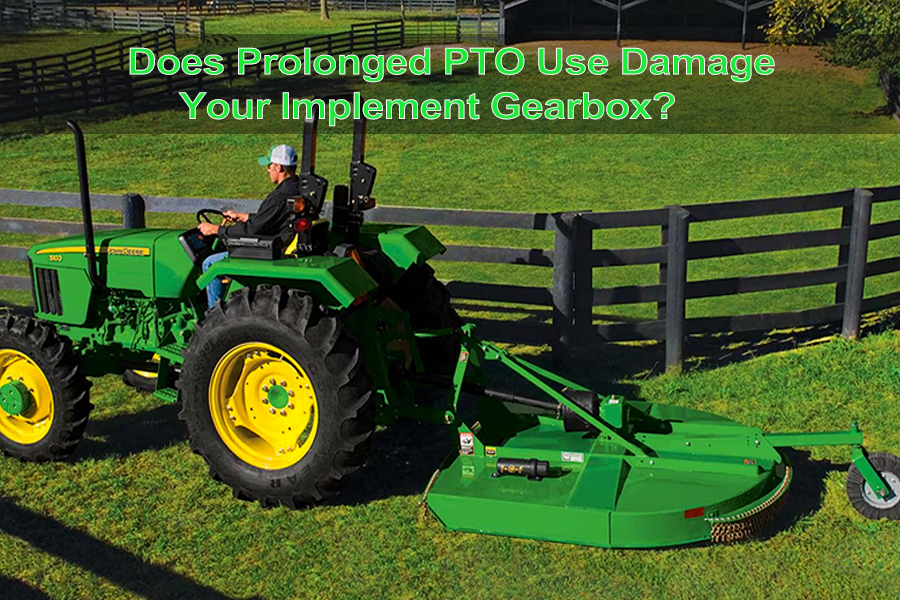
Does Prolonged PTO Use Damage Your Implement Gearbox?
Over the years, I’ve been following a lot of discussions from farm forums, equipment repair groups, and real field feedback about PTO-driven implements such as rotary cutters , flail mowers , and rotary tillers.
Gearboxes like rotary cutter gearboxes and flail mower gearboxes rarely fail suddenly. They fail after a period of unnoticed stress buildup.
Farmers often describe the same situation:
a perfectly working brush hog or mower gearbox system suddenly develops noise, heat, or vibration—then within a short time, the gearbox fails completely.
And in many of these cases, the replacement cost is not small:
👉 Around 30–50% of the implement’s total value.
This isn’t one isolated issue. It’s a repeated pattern across different machines, brands, and working conditions.
What Farmers Keep Reporting in Real Use
In multiple forum discussions and field reports about rotary cutter gearboxes and flail mower gearboxes, the same working scenario appears:
- Long mowing sessions
- Heavy brush load on rotary cutters
- High PTO speed on mower gearbox systems
- Minimal cooling breaks
At first, everything seems normal. But after repeated cycles, users begin noticing:
- Gearbox getting unusually hot
- Slight change in sound
- Oil smell after shutdown
- Gradual increase in vibration
One farmer described it well:“It didn’t fail while working. It failed after a few long days of pushing it hard.”
This kind of gradual failure is extremely common in PTO gearboxes.
The Real Starting Point: Heat Build-Up
Across both forum feedback and rotary tiller gearbox and mower gearbox repair cases, heat is almost always the first warning sign.
Once the gearbox starts running hot:
- Oil viscosity drops
- Lubrication film weakens
- Internal friction increases
At this stage, nothing feels immediately broken—but inside the gearbox, wear is already accelerating.
Many mechanics refer to this as the “silent phase” of failure.
Oil Breakdown: A Common Theme in Repair Cases
Another repeated observation from repair discussions is oil condition.
When gearboxes are opened after failure, technicians often find:
- Dark or burnt-smelling oil
- Thin, watery lubrication
- Signs of oxidation and contamination
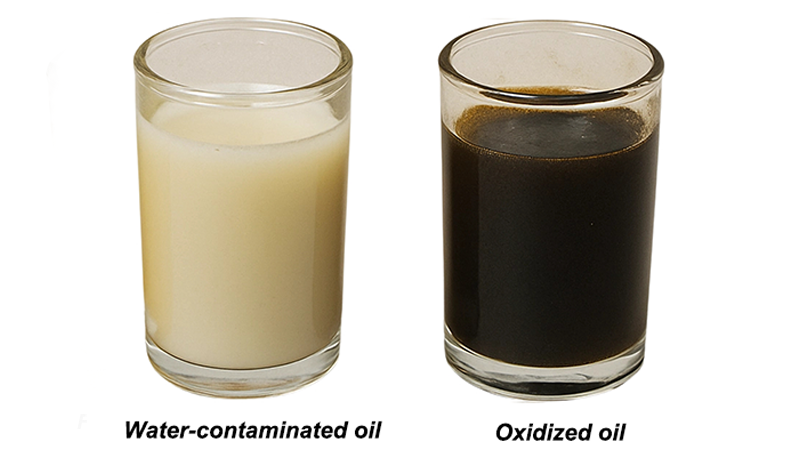
This matches what many operators report before failure:
👉 “It smelled like burnt oil, but I kept working.”
From a mechanical perspective, once oil loses its protective properties, metal contact becomes unavoidable.
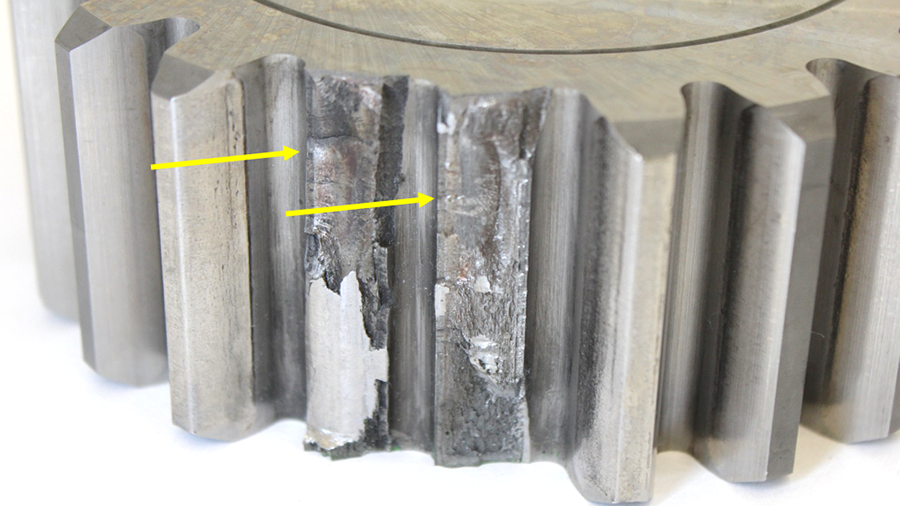
And once that happens, damage like gear pitting begins—and it cannot be reversed.
Forum Debate: Synthetic vs Conventional Gear Oil
This topic comes up frequently in discussions among farmers and mechanics.
Conventional Gear Oil (common feedback)
- Works fine under light or occasional use
- Breaks down faster under long continuous load
- More sensitive to high temperature
Synthetic Gear Oil (field experience consensus)
- More stable under heat
- Maintains lubrication film longer
- Performs better during long mowing or heavy brush work
A common comment from experienced operators is:
👉 “If you’re running long hours, synthetic oil is worth it.”
Vibration Issues Reported in Field Cases
Another recurring theme is vibration damage.
Many operators initially assume vibration is normal, especially during heavy work. But after deeper inspection, patterns often point to mechanical stress issues:
- PTO shaft running at too steep an angle
- Worn or dry U-joints
- Misalignment during operation
When the PTO angle becomes excessive, the rotation becomes uneven, creating repeated stress cycles on bearings and gears.
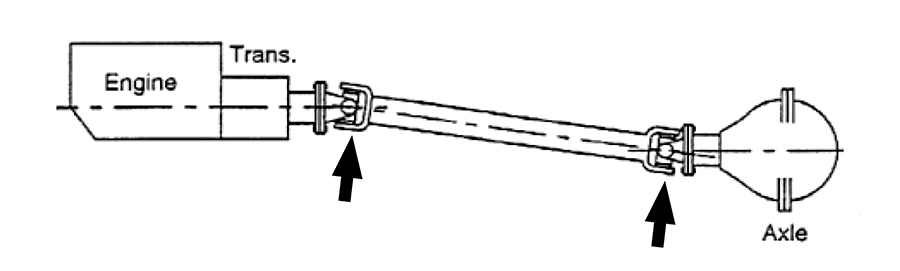
Over time, this leads to what mechanics often call:
👉 vibration fatigue
It doesn’t cause immediate failure—but it steadily weakens the system from the inside.
Impact Damage: A Common Real-World Story
One of the most repeated stories in forums and field reports is this:
“Everything was fine until I hit a hidden stump or rock.”
That single impact sends a sudden torque spike through the entire drivetrain.
This is exactly why protection systems exist:
Shear Bolts
- Designed to break under sudden overload
- Prevent force from reaching the gearbox
- Must use correct specification
But many forum users warn:
👉 Replacing them with incorrect bolts removes all protection.
Slip Clutches
- Absorb repeated shock loads
- Ideal for rough or unpredictable terrain
- Require regular maintenance to stay functional
A common complaint in real discussions:
👉 “It stopped protecting because I never serviced it.”
Both systems work—but only when properly maintained.
What Experienced Operators Do Differently
Across long-term users and repair technicians, a few habits consistently appear:
- They pause during long mowing sessions
- They check gearbox temperature after heavy work
- They monitor oil condition regularly
- They maintain PTO lubrication frequently
One experienced farmer put it simply:“Most gearbox problems I’ve had could have been avoided with five minutes of attention.”
The 10-Hour Rule (Common Field Practice)
Although not always written in manuals, many experienced operators and mechanics follow a simple routine:
Every ~10 working hours:
- Grease all U-joints
- Lubricate sliding PTO sections
- Check gearbox oil (only when cold)
- Inspect for leaks or unusual noise
It’s a simple habit, but it consistently shows up in field experience as one of the most effective ways to reduce unexpected failures.
Key Pattern From Forums + Field Experience
When combining repair shop data, farmer discussions, and field observations, a clear pattern emerges:
👉 PTO gearboxes rarely fail because they are used too much
👉 They fail because operating stress is not managed properly
The main contributing factors are:
- Excess heat buildup
- Oil degradation
- Misalignment and vibration
- Lack of routine maintenance
- Impact without protection
Final Thought (From Real-World Use)
In most experienced operators’ opinions, gearbox failure is not random.
It is usually the result of repeated working conditions that slowly push the system beyond its comfort range.
And in almost every discussion—whether in forums, repair shops, or field reports—the conclusion is the same:
👉 It’s not just about how long you run the PTO
👉 It’s about how well you manage the stress while it runs
JIAXING JENA GEARBOX CO., LTD.
01
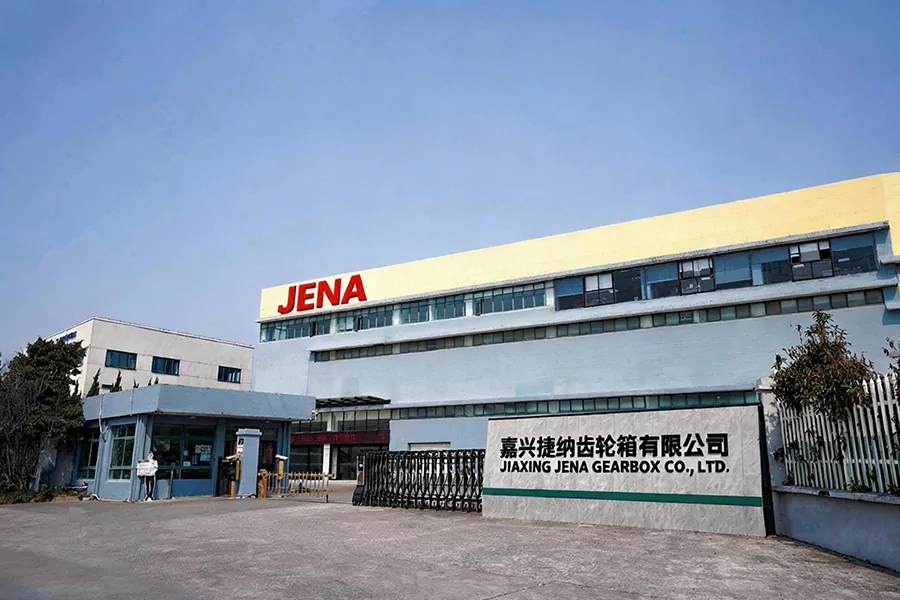
Jiaxing JENA Gearbox Co., Ltd. was established in 2000 and is located in Jiaxing, East China. With 100+ factory employees, JENA is dedicated to the R&D, manufacturing, sales, and service of agricultural gearboxes. Over the past decades, JENA has grown into a reliable supplier in the global agricultural gearbox industry, exporting to 60+ destinations worldwide.
02
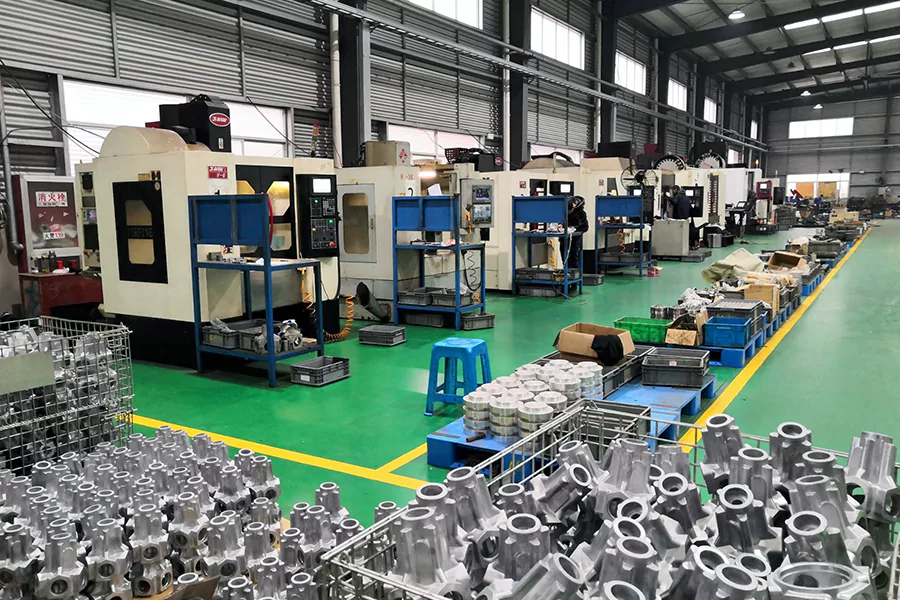
Our product range covers bevel gearboxes, rotary cutter gearboxes, parallel reducers, worm gear cases, and custom transmission assemblies—covering nearly one thousand specifications. These products are widely used in grain harvesting equipment, forage machinery (mowers, balers, rakes, etc.), plant protection machinery, landscaping machinery, and oil extraction equipment. With an annual production quantity exceeding 300,000 units, JENA consistently delivers reliable performance and long-term durability for global OEMs and distributors.
Annual quantity over
Established in
Factory Employee
Export Destinations
REQUEST A QUOTE
OR GET MORE
INFORMATION
Leave us a message. We will contact within 12 hours.