
BLOG
BLOG
Buying Rotary Tiller Gearboxes from China: A Practical Guide
Introduction
The first question buyers usually ask is, “How much does it cost?”
Strangely enough, that’s often the least important question.
After talking with equipment dealers and importers over the years, one pattern keeps repeating itself. A gearbox fails, the machine is sitting idle, and suddenly finding a replacement becomes urgent. The natural reaction is to search online, compare a few prices, and place the order as quickly as possible.
Unfortunately, that’s also when expensive mistakes happen.
A rotary tiller gearbox is one of those products that looks deceptively simple. Browse through several suppliers’ websites and you’ll notice the same thing: similar cast housings, similar shafts and nearly identical product photos. To someone buying a replacement for the first time, they all seem interchangeable.
They’re not.
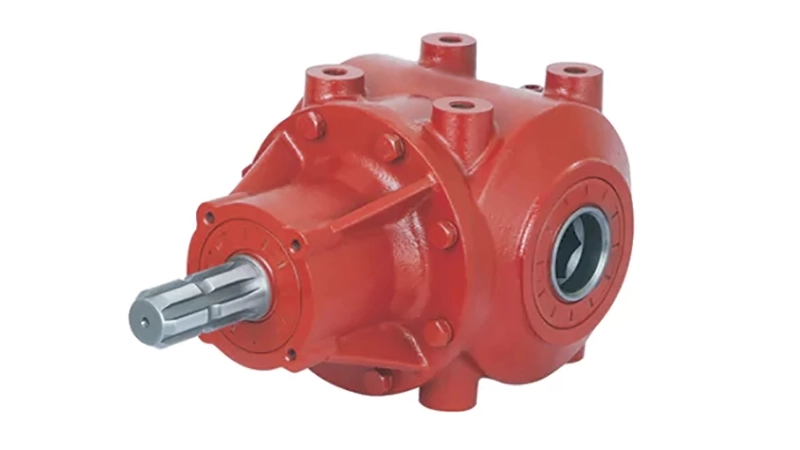
A Gearbox Can Fit the Machine and Still Be Wrong
A customer once sent us photos of a gearbox that had been installed only a few months earlier. Nothing appeared unusual. The housing matched the original, the mounting holes lined up perfectly and installation had gone smoothly.
The problem only appeared after the tractor went back into the field.
Instead of running quietly, the transmission became noticeably hotter, and vibration increased as the PTO speed climbed. Eventually the gearbox had to be removed again.
The interesting part is that nothing was actually wrong with its manufacturing quality.
It simply wasn’t built for that application.
The reduction ratio was different from the original unit, which meant the tiller was operating under conditions it had never been designed for.
Stories like this aren’t rare. In fact, they’re one of the reasons experienced buyers spend far more time discussing specifications than comparing product photos.
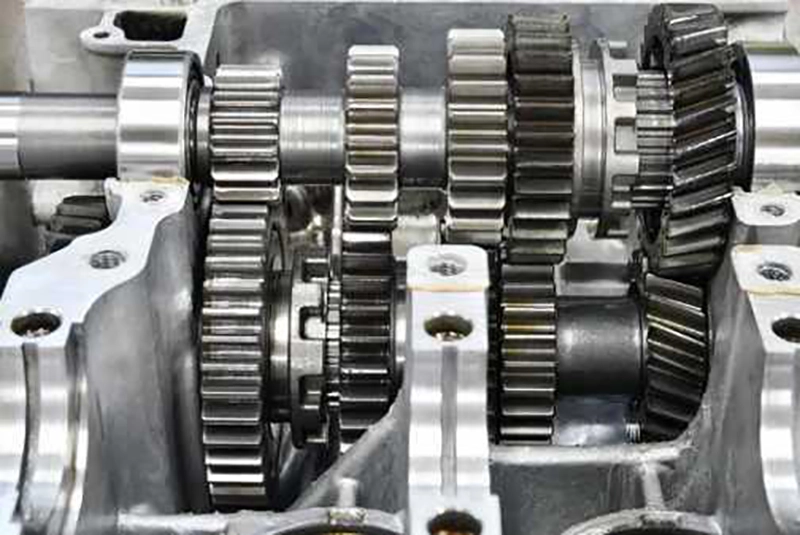
Price Usually Isn't Where Experienced Buyers Begin
Everyone has a budget. Nobody wants to pay more than necessary.
But here’s something worth thinking about.
Imagine saving fifty dollars on a gearbox, only to discover after delivery that the output shaft doesn’t match your PTO driveline. The gearbox itself may be perfectly good, yet the machine still can’t return to work.
Now you’re arranging another shipment, delaying field work and paying technicians twice.
That original saving suddenly doesn’t feel like much of a saving at all.
This is why professional purchasing teams often ask technical questions before they ask for discounts.
- Can the supplier confirm the gear ratio?
- Do they have dimensional drawings?
- Have they supplied this model for the same application before?
Those answers usually tell you far more than the quotation itself.
Why Chinese Suppliers Continue to Attract Global Buyers
People sometimes assume Chinese manufacturers compete only because their prices are lower.
That explanation made sense years ago. Today, it’s only part of the picture.
One advantage buyers often mention is how complete the manufacturing network has become. Components such as housings, gears, shafts and bearings are frequently produced within the same industrial region, making it easier to maintain production schedules and develop customized versions when standard models don’t fit.
Another point that’s easy to overlook is experience.
A factory building agricultural gearboxes every day has probably encountered hundreds of different mounting patterns and shaft configurations. When an importer sends photos of an older tiller with no part number, that experience becomes surprisingly valuable.
Of course, no two suppliers are exactly alike.
Some focus on high-volume aftermarket products. Others spend most of their time producing OEM gearboxes for equipment manufacturers. Knowing which type of company you’re talking to often matters just as much as the product itself.
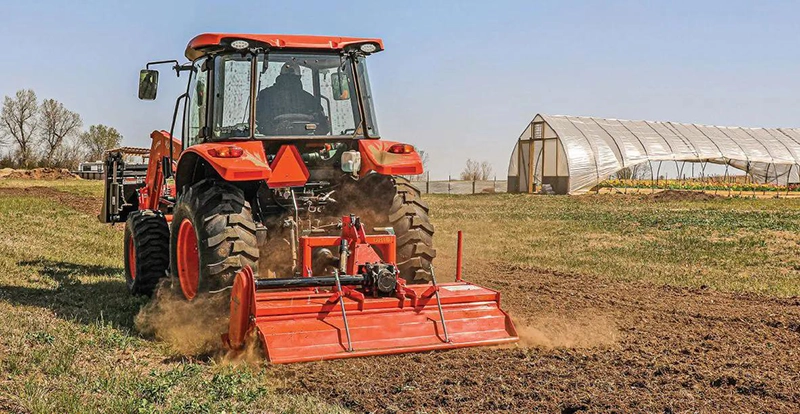
Before Requesting a Quote, Check These Details First
This isn’t a complicated checklist, but it saves an incredible amount of time later.
Start with the tractor’s PTO speed.
Then check the horsepower range.
If you know the gear ratio, include it.
Take a few measurements of the input and output shafts.
Finally, photograph the existing gearbox from several angles.
That’s it.
You don’t need a complete engineering drawing to start a conversation. Clear information is usually enough for an experienced manufacturer to narrow down the correct model and identify anything that deserves a closer look.
One Habit Worth Borrowing from Experienced Importers
Something interesting happens after people have purchased agricultural parts for a few years.
They stop asking,
“What’s your best price?”
Instead, they ask,
“Why do you recommend this model?”
It’s a small change in words, but it totally changes the conversation.
A supplier who can straightaway give figures for shaft sizes, reduction ratios or horsepower recommendations is probably already asking themselves whether the gearbox is going to be perform well once installed.
That’s exactly the kind of discussion you want before production begins—not after the shipment arrives.
Buying a rotary tiller gearbox shouldn’t feel like guessing.
The products may look similar, but small technical differences can determine whether a machine returns to work immediately or spends another week waiting in the workshop.
REQUEST A QUOTE
OR GET MORE
INFORMATION
Leave us a message. We will contact within 12 hours.