
BLOG
BLOG
Flail Mower Gearbox Failure: Causes, Warning Signs and Solutions
Over the years supplying agricultural gearboxes, we have received many questions from flail mower users and equipment distributors about the same problem:
“Why did the gearbox fail earlier than expected?”
In many cases, the first assumption is that the gearbox quality was the problem. But after checking damaged units and talking with operators, the situation is usually more complicated.
A gearbox often fails because several small issues happen together — heavy working conditions, missed maintenance, incorrect operation, or a mismatch between the machine and the application.
A flail mower is not an easy job for any transmission system. Unlike machines that only cut light grass, flail mowers are often used in rough areas with thick weeds, brush, roadside vegetation, and uneven ground.
The gearbox must handle continuous torque while also absorbing sudden impacts from the cutting rotor.
That is why understanding the early signs of Flail Mower Gearbox failure can save both repair costs and working time.
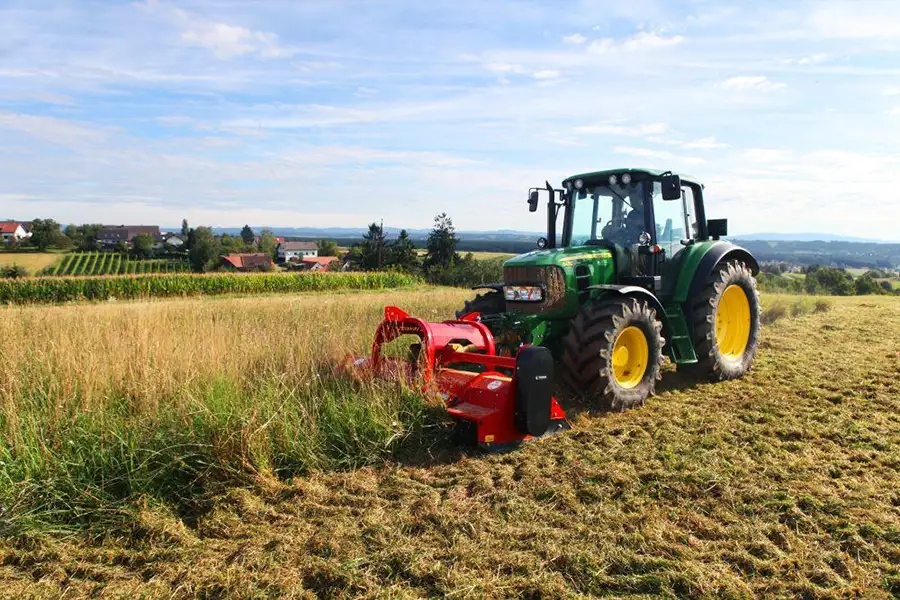
The Problem Is Often Not the Gearbox Alone
One situation we see quite often is a customer replacing a gearbox but experiencing the same failure again after a short period.
When we investigate, the replacement gearbox is usually not the main issue. The real cause may be excessive working load.
For example, a flail mower operating in heavy brush has much more power required than a mower operating in maintained grass fields.
If the machine is constantly working at its limit, then the gears and bearings in the gearbox will be under constant load. The gearbox may survive for a time, but internal wear and strain will be built up.
Another common mistake is running the mower at the wrong PTO speed.
One thing we notice in damaged gearbox inspections is that some failures come from working speed rather than the gearbox itself.
Operators sometimes push the machine harder to save time, but the extra load has to go somewhere. The gearbox absorbs that stress, and after repeated heavy use, internal wear starts to appear.
Problems We Usually Find Inside Damaged Gearboxes
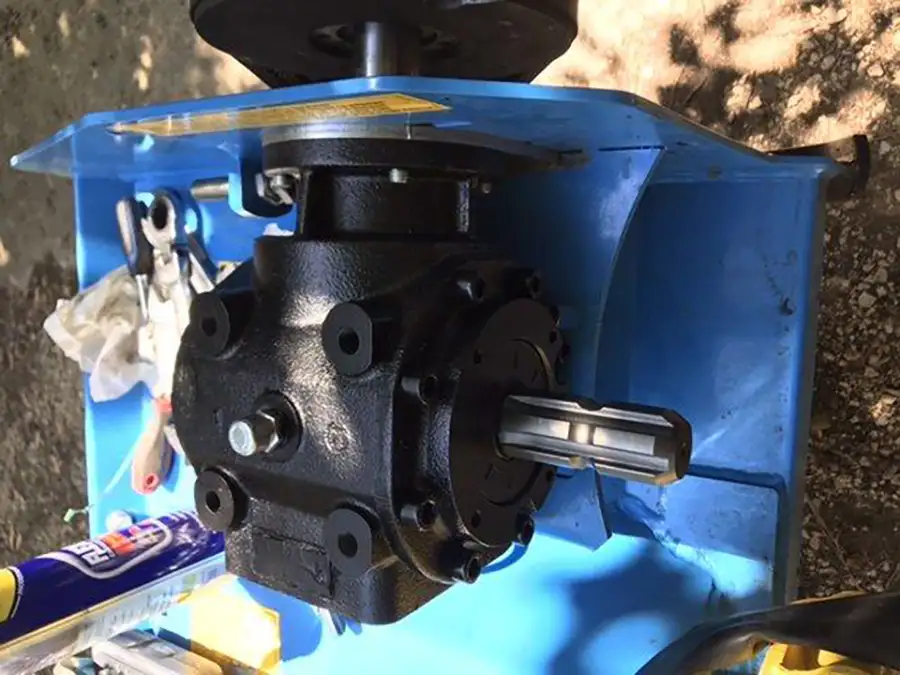
When a failed Flail Mower Gearbox comes back for inspection, there are several areas we check first.
Bearing Condition
A worn bearing can create extra movement between rotating parts.
At the beginning, the operator may only hear a slight noise. If the machine continues running, the damaged bearing can affect gear alignment and cause more serious damage.
Oil Condition
Gear oil tells a lot about what happened inside the gearbox.
Metal particles in the oil usually indicate internal wear. Burnt-smelling oil often points to overheating.
In some cases, the gearbox is not completely damaged, but operating with low oil for too long has already reduced the service life of internal components.
Oil Seal Problems
Oil seal problems are also common.
A small leak around the shaft may look harmless, especially during busy seasons when operators want to keep working.
However, once oil starts escaping, the gearbox loses protection. Dirt and moisture can also enter through damaged seals.
Warning Signs Operators Should Not Ignore
Many gearbox failures give warning signs before stopping completely.
One of the easiest things to notice is a change in operating noise.
If gearbox problems produce weird whining, grinding, or knocking noises, have a check before continuing with work.
Excessive vibration is another signal.
Blade imbalance can cause vibration, too, but gearbox vibration is more noticeable as the machine operates under load.
Another sign is temperature.
A gearbox that becomes unusually hot after normal operation may have lubrication problems, internal friction, or an overload issue.
Small problems are usually cheaper to fix than major failures. Waiting until the gearbox stops completely often means replacing more components.
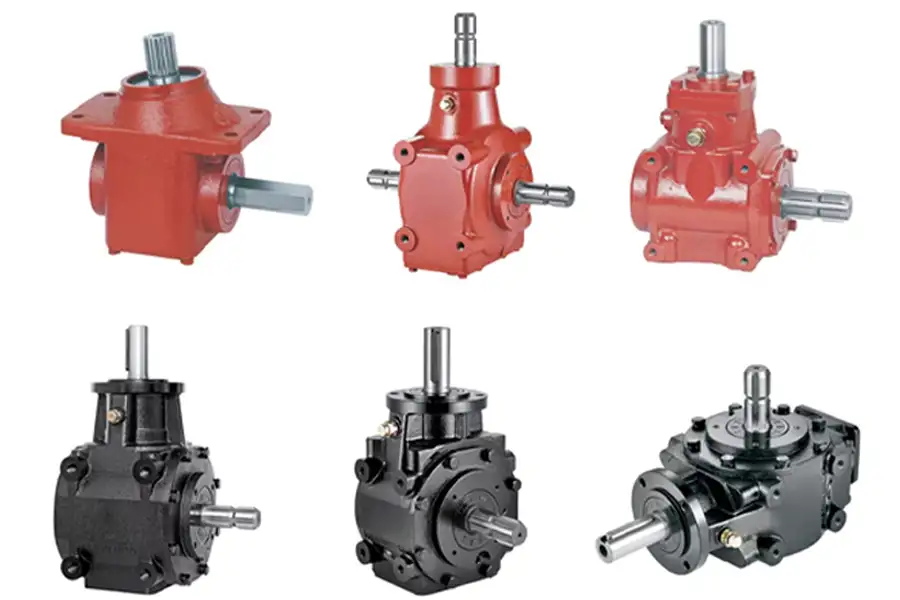
Choosing a Replacement Flail Mower Gearbox
When purchasing a replacement gearbox, appearance alone is not enough.
We often receive inquiries from customers who have already purchased a replacement gearbox but found that it did not perform as expected.
In many cases, the problem was not the product quality — the gearbox simply did not match the original setup.
Even small differences in ratio, shaft size, or mounting design can change how the machine operates.
For distributors and repair companies, consistency is also important.
A gearbox supplier should not only provide a product but also help confirm whether the model is suitable for the actual working conditions.
A correct replacement can restore machine performance.
The wrong one can create the same problem again.
Final Experience
A flail mower gearbox is built for demanding agricultural work, but it still needs proper use and maintenance.
Most failures do not happen suddenly. They usually start with small signs that operators notice but choose to ignore.
From what we have seen, regular oil checks, using the right PTO, and selecting the gearbox spec correctly prevent many avoidable failures.
For farmers, contractors, and equipment suppliers, a healthy gearbox means less downtime and more hours in the field.
REQUEST A QUOTE
OR GET MORE
INFORMATION
Leave us a message. We will contact within 12 hours.