
BLOG
BLOG
Mechanical vs Electronic Jacquard Systems: Why Gearbox Quality Still Matters
Jacquard weaving has changed a lot: controllers got smarter, servo drives got faster, and setup times got shorter. But one “old-school” truth hasn’t gone away in textile machinery—no matter how modern your electronics are, motion still has to be transmitted cleanly and consistently. That’s why, in Mechanical vs Electronic Jacquard Systems: Why Gearbox Quality Still Matters, the gearbox ends up being the quiet hero (or the hidden troublemaker) behind stable fabric design.
Table of Contents
Mechanical vs electronic jacquard comparison: what really changes?
At a high level, the difference is obvious:
Mechanical jacquard systems use traditional mechanical selection and timing mechanisms.
Electronic jacquard uses solenoids/actuators, an electronic selection unit, and software patterns.
But the “selection method” isn’t the full story. Both types still depend on dependable power transmission, consistent timing, and minimal vibration—especially at higher speeds.
So if you’re making a jacquard system upgrade decision, it’s not just “mechanical vs electronic.” It’s also: how solid is the drive train, and does your gearbox match your production reality?
How jacquard gearbox works (and why timing is everything)
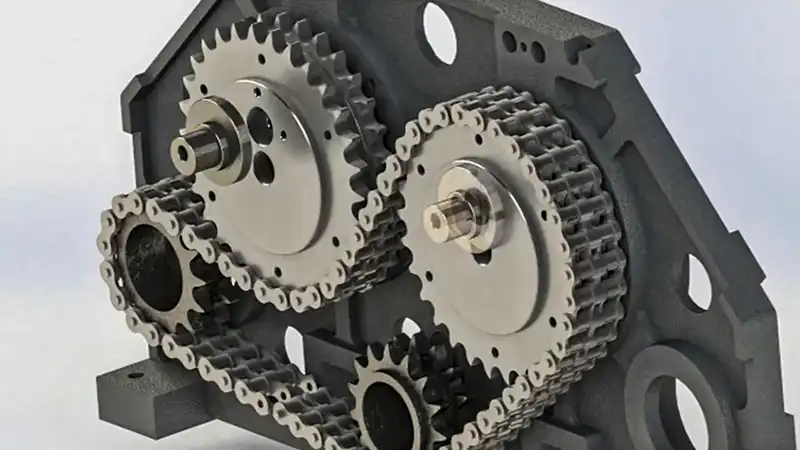
A jacquard head has to synchronize with the loom cycle. The gearbox translates motor rotation into controlled motion that matches the shed opening and hook/knife timing. In other words, it’s not just “turning”—it’s controlling when things move.
In practice, jacquard gearbox quality factors that matter most are:
Backlash control (how much “play” exists before motion transfers)
Torsional stiffness (how much the system twists under load)
Heat handling at continuous high RPM
Bearing quality and alignment stability
Oil sealing and contamination resistance
When these slip, timing slips. And timing problems show up as fabric problems—fast.
Mechanical jacquard reliability: why good gearboxes made them legendary
People still respect mechanical jacquard systems for one big reason: mechanical jacquard reliability. They’re often tolerant of dust, temperature swings, and “good-enough” operating habits. When they fail, the failure mode can be more gradual—noise, wear, increasing vibration—giving maintenance teams a chance to intervene.
But reliability isn’t magic. It’s frequently the gearbox doing the heavy lifting:
consistent engagement
predictable timing
fewer shock loads transmitted to the head
If you’re running older equipment, the best gearbox for jacquard loom use is often the one that maintains stable timing under real load, not the one with the fanciest spec sheet.
Energy efficiency electronic jacquard: modern gains, same mechanical risks
Electronic systems bring flexibility (quick pattern changes, less physical card handling), and many operations see real benefits in energy efficiency electronic jacquard setups—especially when paired with optimized drives and smarter control logic.
However, electronic precision can actually expose mechanical weakness. With faster acceleration profiles and tighter control windows, a worn or low-grade gearbox can cause:
micro-delays in motion transfer
oscillation and vibration
repeatable timing drift that looks like “electronics trouble” but isn’t
That’s when teams end up in electronic jacquard controller troubleshooting loops—swapping sensors, checking parameters, rebooting controllers—while the real culprit is mechanical slop.
Gearbox backlash weaving defects: what it looks like on fabric
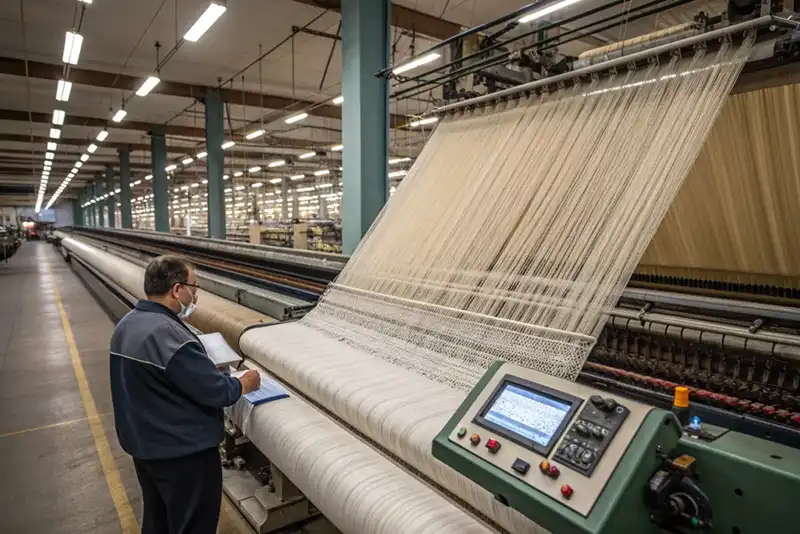
One of the most common “mystery” issues is backlash. Gearbox backlash weaving defects don’t always announce themselves with a big mechanical failure—they show up as quality headaches:
intermittent pattern distortion
unstable shed formation
edge issues that come and go with speed changes
increased end breaks due to imperfect timing
So when operators ask, what causes jacquard mispicks, it’s tempting to blame hooks, harness, solenoids, or software. But backlash, wear, and lubrication breakdown are frequent root causes—especially if mispicks correlate with ramp-ups, high-speed runs, or temperature rise.
Servo drive vs gearbox weaving: not an either/or
A lot of modern upgrades lean into servo control, and the debate becomes servo drive vs gearbox weaving. Here’s the practical view:
Servo drives can control speed/position extremely well.
Gearboxes still determine how smoothly torque is delivered and how stable timing remains under load.
Even a great servo can’t “control away” sloppy mechanics. If the gearbox introduces play, heat, or vibration, you’ll still see defects and stoppages. In short: electronics can improve control, but they can’t replace mechanical integrity.
Reduce jacquard downtime solutions: where gearbox quality pays off
Downtime often gets blamed on “random” jacquard issues, but patterns usually exist. If you want reduce jacquard downtime solutions, start by treating the gearbox as a reliability component, not a commodity part.
Practical actions that pay back quickly:
Track temperature and noise changes per shift
Log mispicks versus speed and style changes
Inspect coupling alignment and mounting rigidity
Use oil analysis or scheduled oil checks in dusty shops
Also, consider spare parts availability jacquard systems before committing to any upgrade. A high-performance electronic head is only “high performance” if you can keep it running—gear sets, seals, bearings, and compatible lubricants included.
Jacquard head maintenance guide: a gearbox-first checklist
A simple jacquard head maintenance guide should include gearbox basics—because skipping them makes every other maintenance task less effective.
Textile loom gearbox lubrication schedule (simple and realistic)
A dependable textile loom gearbox lubrication schedule should be based on:
operating hours
speed profile (constant vs frequent starts/stops)
ambient dust and humidity
oil type and manufacturer guidance
Make it actionable:
Check oil level and leaks weekly.
Monitor oil condition (darkening, odor, metal shimmer) monthly.
Replace oil and filters at intervals suitable for your environment—not just the manual’s “clean factory” assumption.
Quick checks that catch problems early
Vibration increase near the head or drive
New clicking/knocking at specific speeds
Heat rise after a style change
Pattern defects that worsen as the machine warms up
Choosing the best gearbox for jacquard loom upgrades
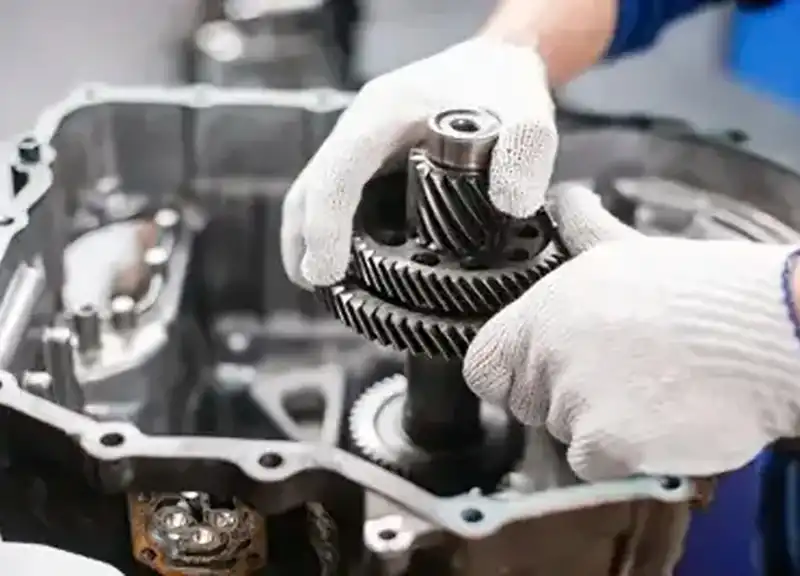
If you’re upgrading (mechanical to electronic, or older electronic to newer), gearbox selection shouldn’t be an afterthought. Focus on:
low-backlash design appropriate for your loom speed
proven bearing life at your load
robust sealing for lint-heavy weaving rooms
serviceability and parts support
This is where “cheap” becomes expensive—because a gearbox that drifts creates constant correction work, more stops, and more rejects.
Takeaway
Mechanical or electronic, jacquard performance still depends on mechanics. The smartest controller won’t fix a worn drive train, and the fastest actuator can’t overcome sloppy timing. If you want stable fabric design, fewer mispicks, and predictable output, treat gearbox quality like a core investment—not a line item to minimize.
REQUEST A QUOTE
OR GET MORE
INFORMATION
Leave us a message. We will contact within 12 hours.