
BLOG
BLOG
How Wet Soil and Heavy Loads Affect Potato Harvester Gearboxes
Potato harvesting just doesn’t always happen in good weather and good ground. One rain and the field turns sticky and heavy—and working it becomes a real grind. Come peak harvest season, the machine has to run nonstop, swallowing tons of potatoes all day long. All of this puts the whole harvesting system to the test—and the gearbox is no exception.
The gearbox on a potato harvester has one job: getting power out to all the working parts. The moment the ground gets sticky and resistance goes up, or material piles up inside the machine, the load on the gearbox climbs right along with it. And if nobody pays attention to that, overheating, faster wear, and sudden breakdowns are just a matter of time.
So here’s the thing—if you actually understand how wet soil and heavy loads mess with the gearbox, you can catch problems early and keep the machine running steady.
1. Why Wet Soil Makes Harvesting So Much Harder
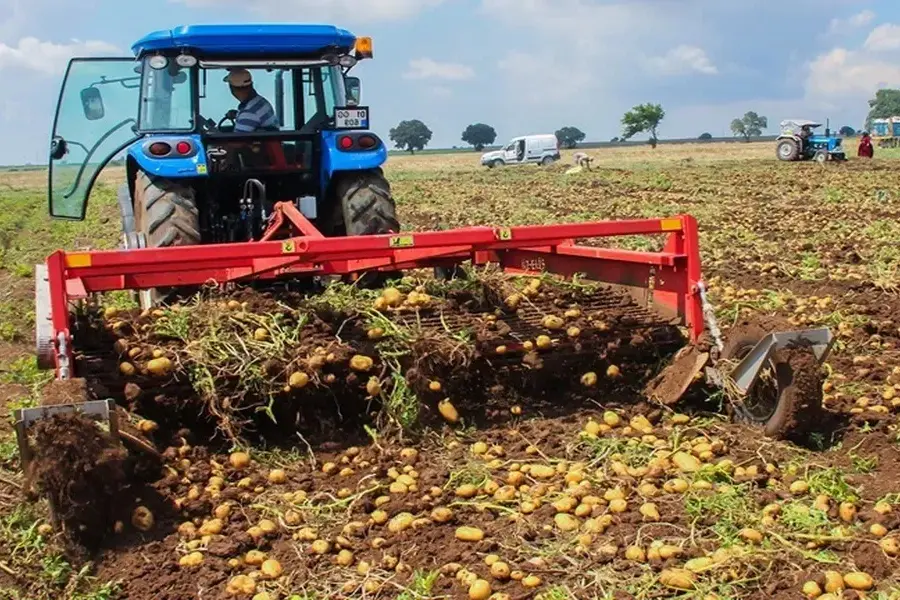
The moment wet soil shows up, the machine’s working condition changes. Compared to dry, loose dirt, sticky wet ground makes the digging components work way harder just to move through it.
And soil loves to stick—digging shares, conveyor webs, rollers, you name it. The more it builds up, the harder the machine has to push to move soil and separate potatoes. All that extra resistance ends up as power demand on the drivetrain, and the gearbox has to pull its weight.
For the gearbox, the real killer is that the load keeps changing while you work. The moment the digging components hit compacted, sticky soil, the torque needed to keep them turning goes up. If the machine keeps working ground like that, the gearbox gets hit with load swings over and over—like a roller coaster.
Now, moisture alone won’t straight-up destroy a gearbox. How much it actually matters depends on soil type, machine design, operating speed, and how well things are maintained day to day.
2. How Heavy Loads Stack More on the Gearbox
A potato harvester doesn’t just handle soil. Potatoes, plant residue, all sorts of junk—everything has to go through the various stages of the harvest process.
Once the harvest volume goes up, the conveying and separation systems may have to handle more material at once. If potatoes or soil pile up faster than the machine can discharge them, resistance inside the working system goes up.
And that’s another load on the gearbox.
The main parts affected:
Gears: More torque and repeated load changes drive up contact stress between gear teeth—especially when the gearbox is already running near its rated capacity.
Bearings: Extra mechanical load raises bearing stress and operating temperature, and it’s even more obvious when lubrication can’t keep up.
Shafts: Repeated torque fluctuations put the pressure on shafts and their connections.
Seals: Overheating, vibration, or wear around rotating parts hurts sealing performance—and leaks follow.
Running overloaded for long stretches is the worst thing you can do to the box. An occasional spike in resistance? The gearbox can usually handle it. But keep it overloaded and parts wear faster—simple as that, service life goes down.
3. What Usually Goes Wrong Under Wet, Heavy Conditions
When the machine works in rough ground, there are a few signals to watch for.
Gearbox overheating
More mechanical load means more friction and more heat. If the gearbox is low on oil, running the wrong oil, or not dissipating heat well, the temperature can climb past the normal range. Keep overheating and lubrication suffers—and internal wear speeds up right along with it.
Odd noises and vibration
Abnormal knocking, grinding, or vibration can point to problems with gear meshing, bearing condition, alignment, or mounting connections. Don’t brush these off—especially when they get more obvious under load. That’s your cue to check.
Faster gear and bearing wear
Repeated high-load work puts more stress on gear teeth and bearings. Add poor lubrication and it gets worse—metal surfaces just aren’t getting the protection they need while working.
Oil leaks
Bad seals, loose fittings, excessive pressure, or worn sealing surfaces—all of them cause leaks. Once the oil level drops, the parts inside aren’t getting fed.
These problems don’t always show up together. But catching the warning signs early keeps small issues from snowballing into major failures.
4. How to Take the Load Off the Gearbox During Harvest
Good operating habits make a visible difference—especially when the ground is rough.
First, adjust harvest speed to match field conditions. Running too fast in wet or compacted soil drives up the load on digging and conveying components. The right speed keeps material moving through the machine more steadily.
Second, don’t overfeed the harvest system. Pile up soil, potatoes, and plant residue, and the machine has to work that much harder just to keep running normally.
Lubrication also needs regular attention. Check the gearbox oil level, and look at the oil for contamination or breakdown. Follow the manufacturer’s recommended oil type and change intervals—don’t just stick to some fixed schedule, because that thing won’t fit every operating condition.
Finally, check for leaks, odd noises, loose mounting points, and temperature changes. Clearing dirt and crop residue off the relevant machine parts cuts down on unnecessary resistance too.
5. Why Gearbox Matching Is So Critical in Tough Conditions
Operating habits matter, but the gearbox itself has to match what the harvester needs.
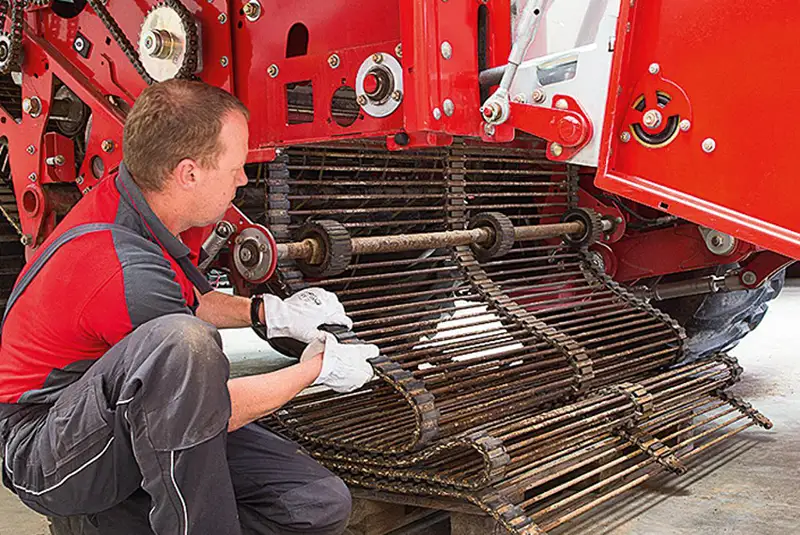
Before picking a replacement, go through input power, operating speed, output torque, gear ratio, and mounting configuration. Check the specs against the original gearbox and the manufacturer’s technical requirements, one by one.
A gearbox picked just by looks or rough dimensions may not deliver the transmission performance you need. Even if it bolts up, the wrong ratio or insufficient load capacity will still cause problems when harvest actually starts.
For potato harvesting equipment that regularly works wet soil or handles heavy material loads, pay special attention to gear strength, bearing capacity, lubrication setup, and overall construction.
At JENA, we know full well that a good agricultural gearbox isn’t just about whether it can transmit power. Matching the gearbox specs to the machine’s working conditions is the key to stable operation and fewer breakdowns.
Wet soil and heavy loads are unavoidable in a lot of potato harvesting work. What really matters is how the machine is run, maintained, and matched. Manage the load, keep up with inspections, and pair it with the right potato harvester gearbox—and you’ll bring the mechanical stress down and keep the whole harvest season running smoother and steadier.
REQUEST A QUOTE
OR GET MORE
INFORMATION
Leave us a message. We will contact within 12 hours.