
BLOG
BLOG
Why Do Flail Mower Gearboxes Give Up Early?
A flail mower gearbox is built for tough field conditions. Even so, a well-made unit can still quit on you sooner than it should. Sometimes the problem is how you run the machine. Other times it’s poor lubrication, the wrong PTO speed, or a gearbox that simply doesn’t match the mower—these things don’t kill the box all at once, they just wear down the parts inside bit by bit.
Replacing a blown gearbox is part of the problem for equipment owners, dealers and repair techs. The real problem is when you break down in the middle of mowing season — field work stops and everything else gets put off. To avoid falling into the same hole again and again and to keep the machine running reliably, we need to know what shortens the life of the gearbox.
Here are six of the most common causes of premature wear in flail mower gearboxes and how to avoid them.
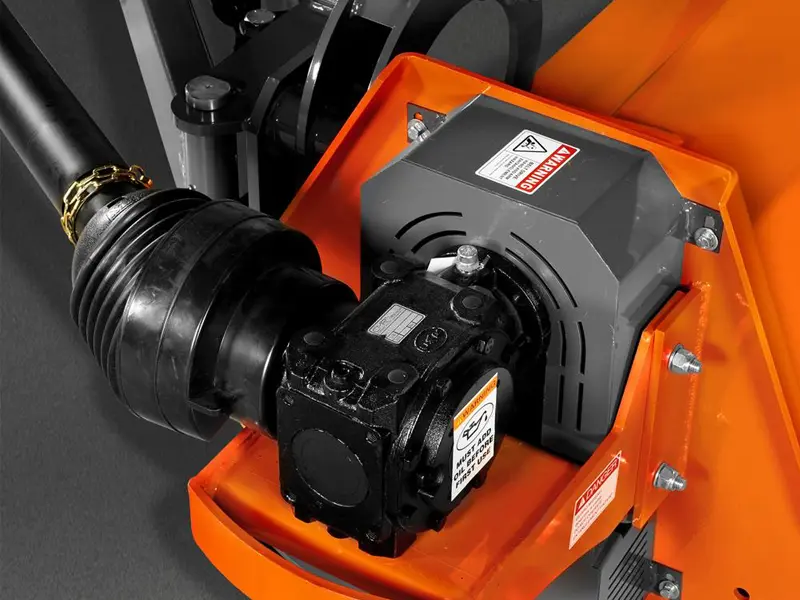
1. Working Too Hard, Exceeding the Load
Flail mowers often work in thick grass, weeds, brush, and uneven ground. Once cutting conditions go beyond what the machine was designed for, the gearbox has to transmit more torque.
Going too fast, grass too thick, the rotor getting bogged down—all of this puts more stress on gears, shafts, and bearings. Repeated shock loads are especially brutal—those sudden jolts do serious damage to driveline components.
How to prevent it: Adjust forward speed based on grass density and field conditions. Don’t force the machine to chew through stuff beyond its capacity. If the machine struggles regularly under normal working conditions, check whether the gearbox specs actually match the mower’s power requirements.
2. Wrong PTO Speed
Engine power is transmitted to the mower by the PTO (power take-off) through the drive line. Each gearbox-mower combination is designed to operate at a given speed and power range.
Running the PTO faster than recommended increases the rotational stress and temperature of operation, and the rotor speed can become excessive, putting additional stress on the transmission and other moving parts.
Even if the gearbox itself is OK you won’t get good results with the wrong PTO speed.
How to avoid it: Before starting, consult the mower and gearbox manufacturer for their recommended PTO speed and set the tractor PTO to match the equipment specifications. Don’t think that a faster speed means a better cut. That’s not the case.
3. Not Enough Oil, or the Wrong Oil
Gearbox oil does two things: reduces friction between moving parts and carries heat away from gear contact surfaces. If the oil level is too low, the gears and bearings don’t get enough lubrication.
The wrong oil affects protection under heavy loads too. Over time, poor lubrication means more friction, more noise, higher temperatures, and faster wear on gears and bearings.
And watch for leaks. A little seepage at seals and joints may not cause trouble right away, but running with low oil for long enough turns into serious internal damage.
How to prevent it: Check the oil level at the manufacturer’s specified intervals, use the recommended oil grade, and change the oil per the maintenance schedule. Check seals, plugs, and housing joints proactively for leaks—don’t wait until the machine obviously acts up.
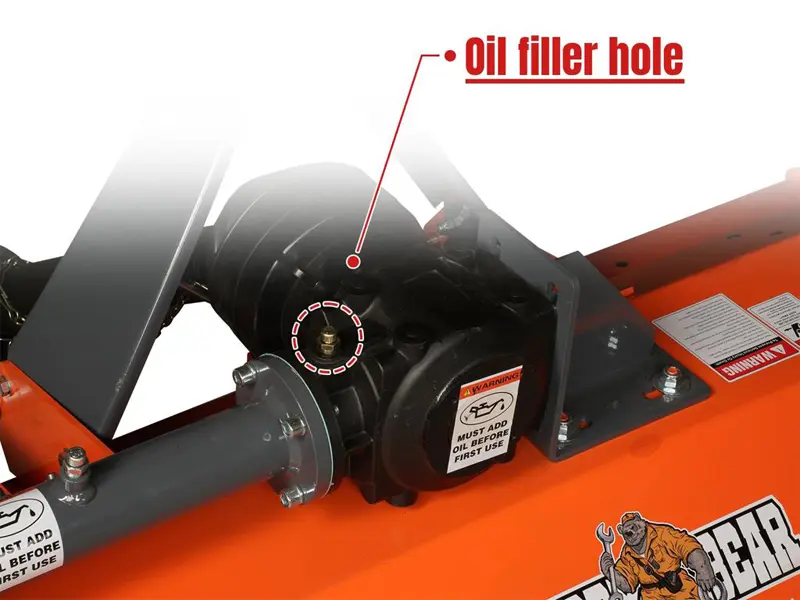
4. Dirt, Water, and Metal Debris Getting In
Flail mowers work in dusty, muddy, wet environments. Damaged seals, loose plugs, poorly maintained fill points—contaminants get in through all of them.
Water degrades lubricant performance and causes corrosion. Dust and particles accelerate gear and bearing wear. Worse, once internal parts start to fail, metal debris circulates with the oil and takes out other components too.
How to prevent it: Inspect seals and housing connections regularly. Keep the area around fill and check ports clean during servicing. If the oil looks milky, has visible metal particles, or just looks off, don’t rush back to work—find the cause first.
5. Driveline Misalignment and Poor Installation
The gearbox doesn’t work alone. It’s part of a system with the PTO shaft, universal joints, mounting brackets, and the mower rotor assembly.
Incorrect installation, excessive driveline angles, loose mounting bolts, poor alignment—all of these bring extra vibration and uneven loading. And it all goes into the gearbox shafts, bearings and joints.
Here’s another scenario: A replacement gearbox with mounting dimensions, input shaft, output shaft or gear ratio that doesn’t match the original equipment requirements will also fail early.
How to stop it: Check the mounting position, shaft alignment, PTO shaft length and angles of the universal joint during installation. Tighten mounting bolts to manufacturer specified torque. Check the model, power rating, shaft dimensions and mounting configuration against the original equipment one by one before ordering a replacement.
6. Inspections Put Off, Maintenance Delayed
Not every gearbox failure happens in an instant. Many boxes give plenty of warning signs before they completely give out.
Unusual noises, whining, grinding, excessive heat, oil leaks, increased vibration—these can all be early warnings. If you ignore them, small problems turn into major failures.
A common example: a bearing starts to wear and maybe just makes a little noise at first. Keep running it, and shaft positioning shifts, gears take more stress, and eventually the whole box needs replacing.
How to prevent it: Put gearbox checks on your regular mower maintenance list. Watch for unusual sounds, temperature changes, oil condition, and mounting stability. Investigate any change in operating behavior early—don’t tough it out until it breaks.
Final Thoughts
Very seldom is there only one reason for premature flail mower gearbox failure. Overload, wrong PTO speed, lack of lubrication, contamination, installation problems, delayed maintenance all reduce service life.
The best approach is to match the gearbox to the work the mower actually does, and then follow the manufacturer’s operating and maintenance requirements to the letter.
When changing out a gearbox it’s not enough to find out why the old one failed. Looking at the specs of the new unit is just as important. Pick the right gearbox, correct the conditions that led to the last failure and you’ll have fewer repeat breakdowns, lower costs and field work that gets done on time.
REQUEST A QUOTE
OR GET MORE
INFORMATION
Leave us a message. We will contact within 12 hours.